
Writing can be a safe space to explore feelings related to trauma. It allows you to express yourself freely and at your own pace. Journaling helps you discover your voice and process emotions without the pressure of perfection. Embrace your feelings; it’s okay to cry! This emotional work is important for healing. If you feel overwhelmed, consider seeking guidance. Here’s some inspiration to help you get started!
Sensory: Close your eyes and put yourself in the middle of something fun! Begin by breathing in the sensations around you — perhaps the sweet fragrance of fresh-baked bread or the clean, moist smell of the forest after a rain. What do you hear? Do you have friends giggling and talking nearby? Can you hear the leaves rustling in a gentle wind, or a favorite song that never fails to make you feel happy? Imagine nibbling on a mouthwatering chocolate snack or savoring the citrusy crunch of zest. And it’s so lovely, isn’t it? Just look at the beautiful colors, patterns, and sunlight darting through the trees! And you’ll want to pay attention to how everything feels. Can you feel the warm sunshine on your skin, the cool grass on your feet, and that exciting buzz of a new season coming? Write down what you experience, and do not leave any details out!
Emotional landscape: When considering the event, try to immerse yourself in the feelings that arose after the event. Allow yourself the freedom to feel each emotion to the hilt, accepting its presence and naming it. Whether it’s worry, happiness, sadness, or something more complicated, feel these emotions wash over you in waves, over and over again. This is not for analyzing or dissecting thoughts; just notice them and allow yourself to feel them without judgment. Each emotion has a tale of its own — let yourself dissolve into it and respect the paths they lead you down. Write down your feelings! It can be as simple as a few words or a full sentence—whatever feels right for you!
Placing Self-compassionate Self-Talk in Practice: Imagine taking a moment to sit down and write a warm, heartfelt letter to your younger self. Fill the letter with so much warmth and friendly reassurance; with so many forgiving lines, you can reach back in time and hug your former self. This practice is a gentle act of self-compassion, a salve for the sting of self-judgment and shame. Make every word an episode on the path of encouragement, leading you to a world of love and love-deserving spaces.
Free Writing: Can be a powerful way to release whatever has been piling up inside you, get to know yourself a bit more, and perhaps even the world. Just set a timer for 10-15 minutes and write whatever pops into your head, without worrying about being perfect or censoring yourself. This free-write method will help you express your thoughts and feelings without judgment and might even show you some interesting patterns or beliefs you hold.1
Take a moment to explore some prompts and discover the possibilities. Enjoy the journey!
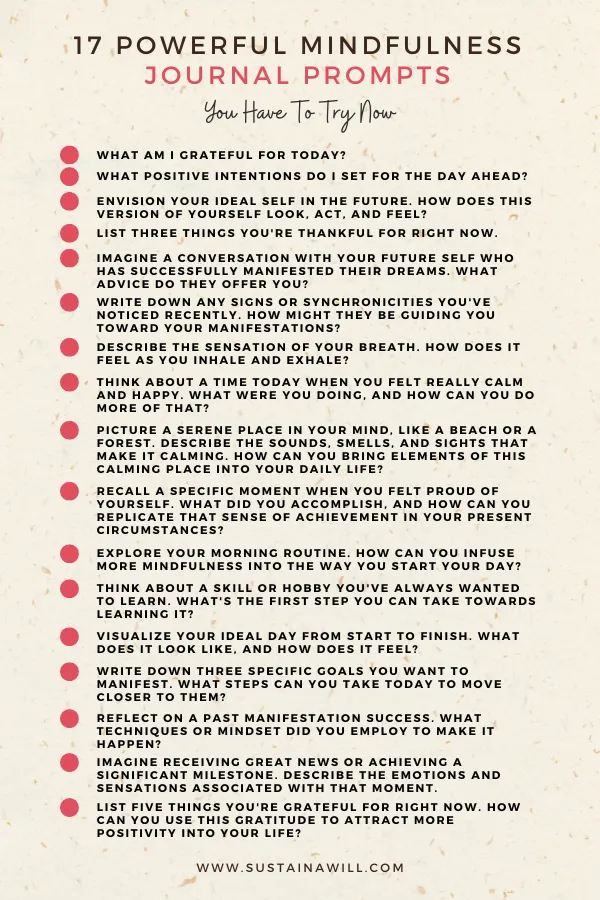
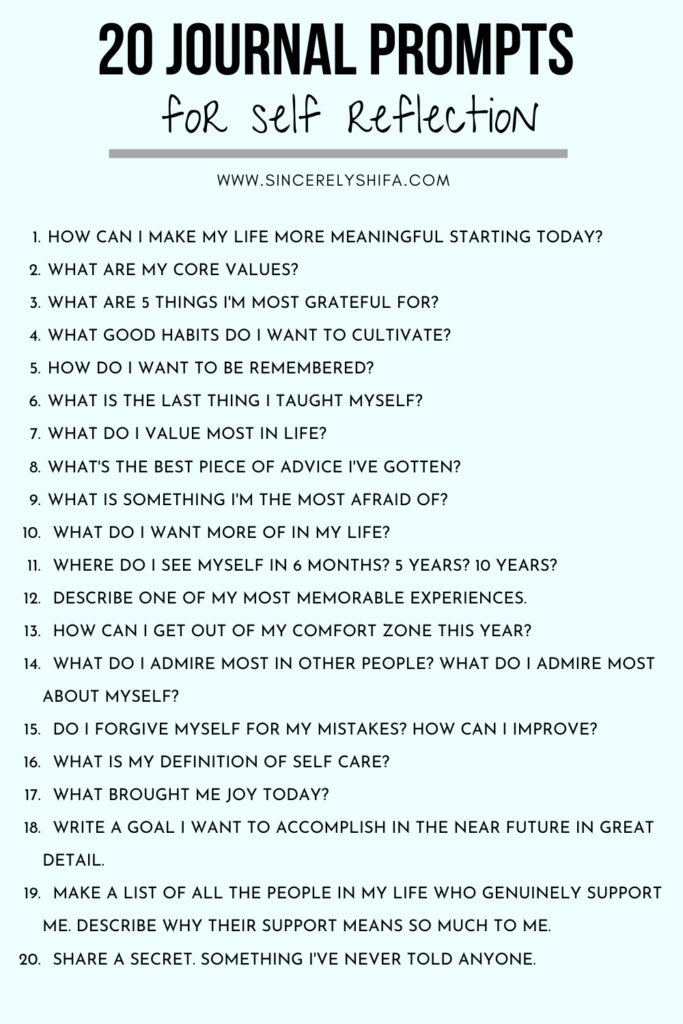
Take a moment to check out the videos below—they’re filled with great tips to help you get started with journaling! Enjoy!
- Altman, Dawn, and Heidi Moawad. “Journaling about Trauma: Writing to Heal.” ChoosingTherapy.Com, 28 Mar. 2024, www.choosingtherapy.com/journaling-about-trauma/.
↩︎